

Table of Contents
- What Makes Licensed Fantasy Art Prints Authentic
- How to Identify Authentic Art Prints from Reputable Sources
- Limited Edition Fantasy Prints and Print Quality Standards
- Explore Licensed Fantasy Artwork at DragonZone Australia
- Frequently Asked Questions
Last Updated: October 18, 2026
What Makes Licensed Fantasy Art Prints Authentic
Authentic licensed fantasy art prints feature artwork reproduced with permission from the artist or relevant rights holder. Licensing allows artwork to appear on products manufactured and distributed by businesses authorised to use those designs.
Licensed fantasy artwork can take different forms, including traditional prints, decorative plaques and 3D lenticular prints. The printing materials, finishes and presentation can vary depending on the product.
At DragonZone Australia, fantasy art enthusiasts can explore merchandise featuring recognised artists such as Anne Stokes, including the Golden Mountain Dragon 3D Lenticular Print.
When choosing a print, it's worth understanding the difference between the artwork's licensing and the physical product's printing method, materials and presentation.

How to Identify Authentic Art Prints from Reputable Sources
When shopping for licensed fantasy art prints, start by reviewing the product's artist attribution, artwork title and manufacturer or brand information where available.
Look for clear photographs and descriptions that explain the type of print being offered. A traditional paper print, canvas reproduction and 3D lenticular print can have very different appearances and display requirements.
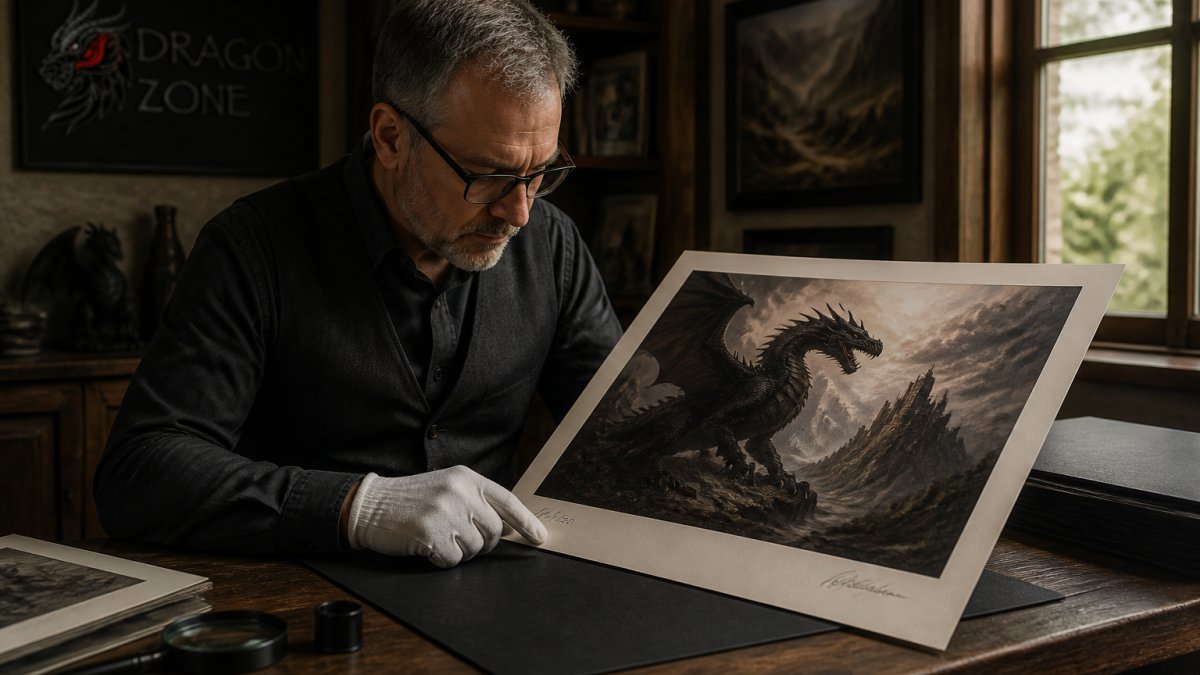
Some prints are individually signed, numbered or supplied with documentation, but these features are not universal requirements for licensed merchandise.
If you have questions about a particular product's licensing, edition status or specifications, contact the retailer for clarification before ordering.
It's also worth checking the product's dimensions, display recommendations and the retailer's shipping and returns information.
Limited Edition Fantasy Prints and Print Quality Standards
Fantasy art prints are available in different formats, and understanding these differences can help you choose artwork that suits your interests and display space.
Limited-edition prints are produced as part of a defined edition, which may be identified by individual numbering. Some also feature artist signatures or accompanying documentation. These details should be confirmed against the individual product description rather than assumed.
Open-edition prints are not necessarily restricted to a predetermined production quantity. They can still feature officially licensed artwork and offer an appealing way to enjoy a favourite fantasy design.
3D lenticular prints use a specialised visual effect that creates an impression of depth or changing imagery when viewed from different angles. They offer a different presentation from conventional flat artwork.
When comparing prints, consider the artwork, printing format, dimensions and intended display location. Materials and care requirements can vary between products.
Product detail |
What to check |
Why it matters |
|---|---|---|
Artist attribution |
Name of the artist or artwork creator |
Helps identify the artwork and its origin |
Licensing information |
Relevant artist, rights holder or licensed brand details |
Helps clarify whether the artwork is officially reproduced |
Print format |
Paper, canvas, lenticular or another format |
Explains how the artwork is presented |
At DragonZone Australia, Anne Stokes' fantasy artwork is available in 3D lenticular print formats, including the Golden Mountain Dragon 40cm x 30cm 3D Lenticular Print and Sentinel 40cm x 30cm 3D Lenticular Print.
Lenticular artwork creates a visual impression of depth as the viewing angle changes, making it an interesting alternative to traditional flat fantasy prints.
These designs may appeal to collectors who enjoy Anne Stokes' distinctive fantasy artwork and want to incorporate dragon-themed imagery into their home décor.

Before purchasing, check the individual product listing for dimensions, materials and display information. Do not assume that lenticular prints are signed, numbered or produced using the same materials as traditional fine art prints.
Explore Licensed Fantasy Artwork at DragonZone Australia
Licensed fantasy art prints offer an opportunity to enjoy the imaginative worlds created by your favourite artists, whether through traditional reproductions or decorative formats such as 3D lenticular artwork.
Understanding the difference between licensing, print formats and limited editions can help you choose artwork that suits your interests and display space.
At DragonZone Australia, you can explore fantasy-themed merchandise featuring artists such as Anne Stokes, including distinctive dragon artwork presented in 3D lenticular formats.
Discover the fantasy artwork available at DragonZone Australia, with orders dispatched from Brisbane.
Frequently Asked Questions
How can you tell if a fantasy art print is officially licensed?
Look for clear artist attribution, artwork identification and relevant licensing or brand information in the product description. Some licensed prints include signatures, edition numbers or certificates, but these are not universal requirements. If the licensing status is unclear, contact the retailer or consult information published by the artist or rights holder.
What should you check before buying a fantasy art print?
Check the artist's name, artwork title, print format, dimensions and any relevant licensing information. If the print is described as a limited edition, look for details about the edition size and whether it is individually numbered. Review the retailer's shipping and returns information, and consider how the artwork will fit your intended display space. Contact the retailer if important product details are unclear.
Are limited edition fantasy prints more collectible than open editions?
Limited-edition prints may appeal to collectors who enjoy owning artwork from a defined production run, particularly when individual numbering or artist signatures are included. Open-edition prints can be equally appealing to enthusiasts who simply love the artwork. Neither format guarantees future resale value, so it's best to choose prints based on personal enjoyment, presentation and the information supplied about the product.
0 comments