

Table of Contents
- Dragon Figurine Buying Checklist
- How to Assess Resin Dragon Figurines and Other Materials
- Dragon Figurine Paint Quality and How to Spot Defects in Collectible Figurines
- Artist Attribution and Licensed Dragon Figurines
- Size, Display Fit and Stability
- What You Can Realistically Assess Online
- Final Thoughts: Choosing a Quality Dragon Figurine
- Frequently Asked Questions
Dragon Figurine Buying Checklist
Identifying high quality dragon figurines comes down to what you can see: crisp scale definition, clean paint edges, a stable base, and a verifiable maker or artist.
A dragon figurine is typically cast in resin, polystone, ceramic or metal and finished by hand or machine.

Here is a checklist to consider before committing to a piece.
Check |
What good looks like |
Red flag |
|---|---|---|
Sculpt detail |
Scales, claws and facial features defined |
Soft, melted-looking surfaces |
Wing and horn craft |
Tapered edges, consistent thickness |
Thin, brittle-looking tips |
Paint application |
Clean colour boundaries |
Bleeding between colours |
Stability |
Sits flat, no wobble |
Rocks on a level surface |
Attribution |
Clear artist, brand or manufacturer information where applicable |
Unverified claims about the artist or manufacturer |
Listing accuracy |
Dimensions and artist named |
Vague or missing specs |
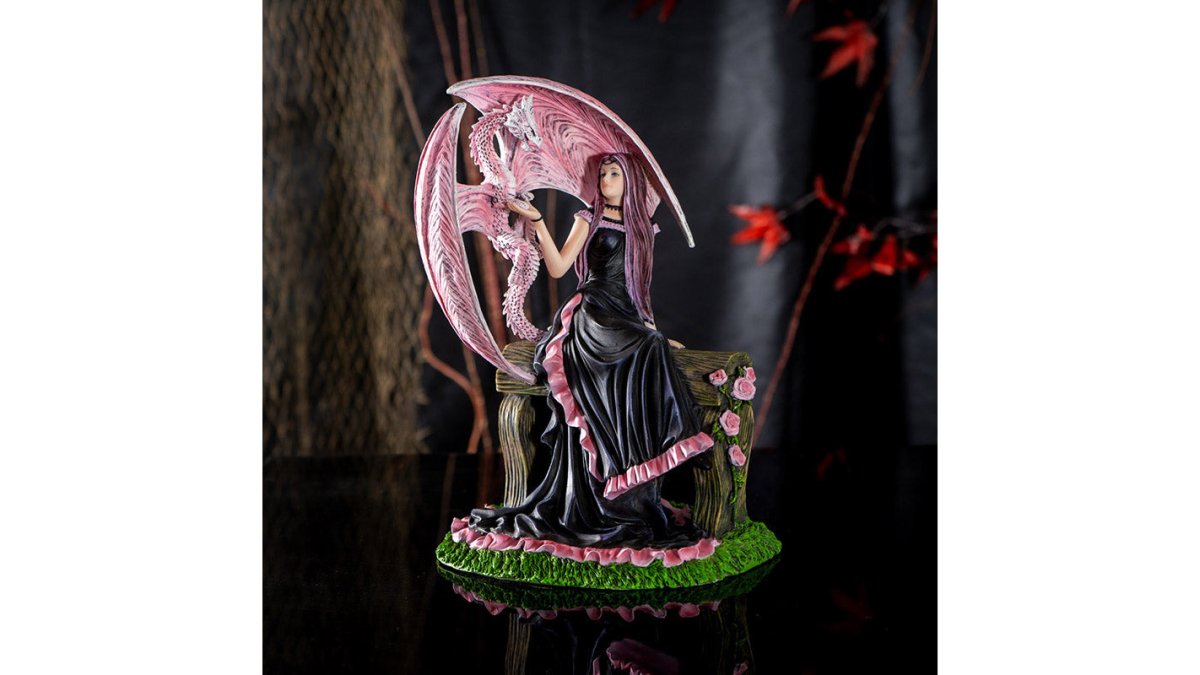
How to Assess Resin Dragon Figurines and Other Materials
Resin, polystone, ceramic, and metal pieces each behave differently, and none guarantees a better figurine on its own.
Resin captures fine detail well and is comparatively light.
Polystone is a heavier composite, often used for larger display pieces.
Ceramic pieces are fired, giving them a particular surface character.
Metal figurines, often cast in brass or a similar alloy, tend to be smaller and heavier. Look for clean seam lines and even patina.
Dragon Figurine Paint Quality and How to Spot Defects in Collectible Figurines
Paint application is one of the easiest ways to assess the quality of a dragon figurine. Look closely at the boundaries between colours, particularly around the eyes, claws, scales and wing membranes. Well-applied paint should complement the sculpted details rather than obscure them.
Next, examine the shading and highlights. Techniques such as dry-brushing and darker washes can help bring out individual scales, folds and textures, giving the figurine greater visual depth.
Remember that hand-painted finishes may have slight variations between individual pieces. These aren't necessarily defects and can be part of the finishing process.
Then check the depth. Good paint work uses shading and highlighting to bring out the sculpt; a piece given one flat coat of colour will look dull even if the sculpt underneath is fine.
Here is the distinction buyers get wrong:
- Intentional artistic finish: deliberate weathering, dry-brushing on raised edges, a wash settled into crevices, or a mottled effect suggesting age or scale texture.
- Genuine manufacturing defect: flaked paint, uncleaned runs and drips, bare patches where the base material shows through, or colour applied in the wrong place.
The first is the artist's decision; the second is a fault. A deliberate dark wash in the wing folds is finished; a drip frozen mid-run down the tail is not.
Artist Attribution and Licensed Dragon Figurines
When purchasing a dragon figurine featuring artwork from a recognised fantasy artist, it's worth checking the product's attribution and licensing information.
For example, the Anne Stokes dragon figurines available at DragonZone feature designs based on the fantasy artwork of Anne Stokes. The artist creates the original artwork, an authorised manufacturer produces the merchandise, and DragonZone supplies the finished products to collectors.

Not every licensed figurine has an artist's signature or manufacturer's mark moulded into its base. Product packaging, official branding and accurate retailer descriptions can also help establish attribution.
If you're purchasing a second-hand or older collectible, original packaging and documented product information may be particularly useful when confirming its identity.
Size, Display Fit and Stability
Dimensions tell you more than most buyers realise. A figurine listed at 24cm high will read very differently on a shelf than one at 13cm.
Stability is the practical test. A figurine should sit securely on a level surface without excessive rocking. An unstable base may increase the risk of accidental tipping, particularly on narrow shelves or in high-traffic areas.
For scale reference, the Anne Stokes range at Dragon Zone includes pieces at different sizes: the Anne Stokes Desert Dragon Figurine and the Anne Stokes Fire Dragon Figurine both stand 13cm, while the Elegant Dragon Figurine by Anne Stokes stands 24cm.

What You Can Realistically Assess Online
You cannot hold a figurine through a screen, so you work with what the listing gives you.
Assess what you can see and note what you cannot.
What you cannot assess from photographs: exact weight in the hand, subtle surface texture, and how the colour reads under your own lighting. Expect some variation between screen and physical piece, particularly with deep reds and blues.
When shopping online, look for clear product photographs showing the figurine from different angles. Close-up images can help reveal sculpted details, paint application and the overall finish. Check the listed dimensions, materials and artist or manufacturer information rather than relying on appearance alone.
Remember that promotional photographs may use professional lighting, and colours can appear slightly different depending on your screen. If an important product detail isn't shown or described, contact the retailer for clarification before purchasing.
Final Thoughts: Choosing a Quality Dragon Figurine
Identifying a high-quality dragon figurine isn't about choosing the most expensive piece or the heaviest material. It's about looking at the details that matter: well-defined sculpting, carefully applied finishes, sound construction and accurate product information.
Whether you're considering a dramatic display statue or a smaller dragon collectible, taking a little time to examine these details can help you choose a piece you'll enjoy displaying for years to come.
At DragonZone Australia, you'll find a range of dragon figurines and collectibles, including licensed designs from fantasy artist Anne Stokes.
For more inspiration, explore our guide to the best fantasy dragon figurines in Australia.
Frequently Asked Questions
How can you tell if a dragon figurine is good quality?
Look at the sculpt first: crisp scale definition, clean wing membranes and sharp horn tips separate a considered sculpt from a rushed one. Check that the paint sits neatly inside the lines, with no bleeding onto adjacent areas. Confirm the piece sits flat on its base without rocking. Materials such as resin and polystone can both be finished well, so judge the actual execution rather than assuming one material guarantees quality.
Is resin or polystone better for dragon figurines?
Neither material automatically wins. Resin typically captures fine detail well, which suits intricate wing and claw work. Polystone is a heavier composite that can give a figurine more weight and stability on the shelf. What matters more is how the piece is finished: clean mould lines, even paint and a base that sits flat. Ask about the material, then judge the photographs for the quality indicators that actually affect how the figurine looks and displays.
How can I assess a dragon figurine from product photos?
Zoom in on the head, wings and base. Sharp, well-defined scales and clean horn tips suggest careful sculpting, while soft or blurry edges can indicate a lower-detail cast. Check whether paint coverage looks even across large areas such as wings. Look for a clear photo of the base, since maker's marks or signatures often appear there. Also check the listed height, width and depth against your display space before buying.
0 comments